Fake Email Address
A fake email address, often called disposable or temporary email, is a short-lived inbox used to protect your primary email from spam, fraud, and data harvesting. These services generate random addresses that self-destruct after a set time or use limit, offering a crucial layer of online privacy. While incredibly useful for signing up to untrusted sites or receiving one-time links, they are not meant for important accounts, banking, or official communication due to their transient nature.
Key Takeaways
- Definition & Purpose: A fake email address is a temporary, disposable inbox created via a temp mail service to shield your real email from spam, tracking, and potential data breaches.
- How It Works: These services generate a random email address and inbox accessible via a web browser. The inbox and address typically expire after a short period (e.g., 10 minutes to 1 hour) or after a set number of emails are received.
- Primary Benefits: The main advantage is enhanced privacy and a clutter-free primary inbox. It prevents companies from building profiles on you and stops spam before it reaches your main account.
- Critical Limitations: Fake emails cannot be used for account recovery, important subscriptions, or any service requiring long-term, secure access. They offer no password protection and are inherently insecure.
- Common Legitimate Uses: Ideal for signing up to new forums, downloading gated content, accessing one-time discounts, testing website email flows, and registering on sites with questionable data practices.
- Potential Risks & Misuse: They can be exploited for malicious activities like fraud, creating fake accounts, and bypassing bans. Reputable services often block known disposable domains.
- Best Practice: Always use a reputable temp mail provider, never use a disposable address for critical services (banking, social media main accounts), and understand it’s a privacy tool, not a security shield.
📑 Table of Contents
What Exactly is a Fake Email Address?
When you hear “fake email address,” you might think of something shady or illegal. But in today’s digital landscape, it most commonly refers to a disposable email address or temporary email. Think of it as a burner phone for your inbox. It’s a real, functional email address that exists for a very short time—often just 10 minutes to a few hours—and then vanishes into thin air, along with any messages it received.
These addresses are generated by specialized websites and apps known as temp mail services. You don’t need to sign up, create a password, or provide any personal information. You simply visit the site, it gives you a random address like user123@tempmail.demo, and you use that anywhere you need an email but don’t want to use your real one. The entire inbox is accessible on a public webpage, and once the timer runs out or you close the tab, that address is gone forever. It’s a simple, powerful tool for managing your digital footprint in an age where every click can be tracked and sold.
The Core Technology: How Do These Inboxes Exist?
It might seem like magic, but the tech is straightforward. Temp mail services run massive pools of domain names and mail servers. When you visit their site, their system automatically:
- Assigns you a random username (e.g., a7b9c2).
- Pairs it with one of their many disposable domains (e.g., @mailinator.com, @10minutemail.com).
- Creates a hidden, temporary inbox on their server linked to that full address.
- Displays a live feed of that inbox on your browser.
Any email sent to that address is routed to their server and displayed in your browser window. There is no connection to your device or IP address. Once the service’s preset time limit expires (often 10-60 minutes), the entire inbox and the specific email address are purged from their system, making it impossible to retrieve. Some services allow you to extend the time manually.
The Essential Benefits: Why Use a Fake Email?
The rise of the disposable email is a direct response to the plague of spam, data harvesting, and aggressive marketing. Its benefits are clear and compelling for the privacy-conscious user.
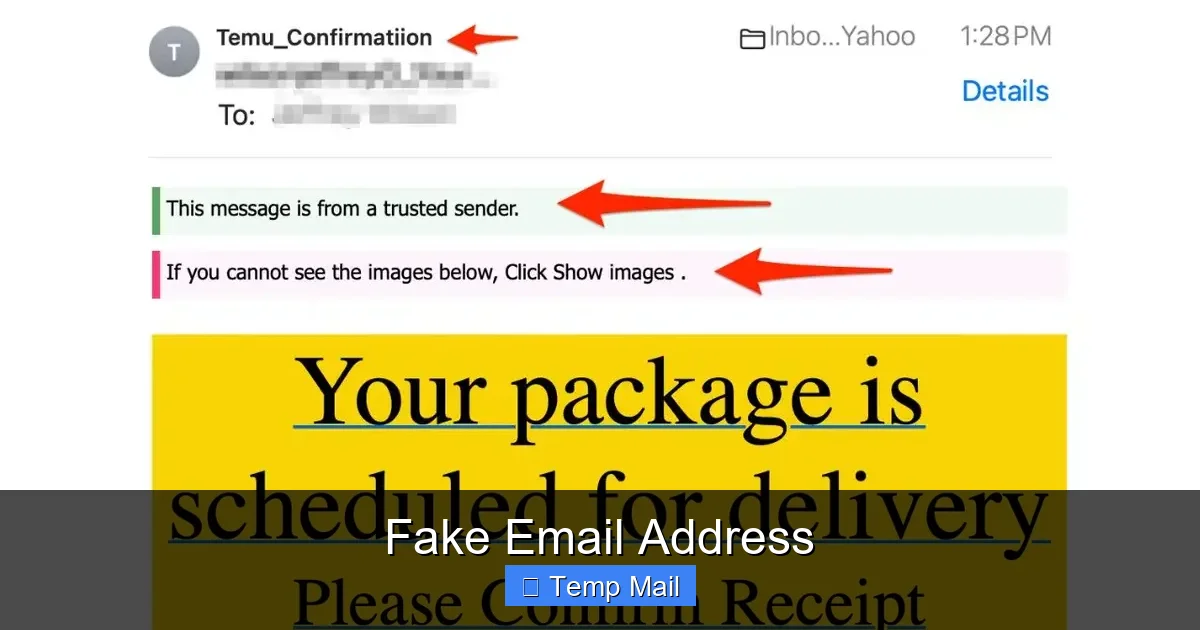
Visual guide about Fake Email Address
Image source: a57.foxnews.com
Benefit 1: Spam Prevention and Inbox Sanity
This is the number one reason people use temp mail. Every time you sign up for a new online store, download a whitepaper, or comment on a blog, you’re often asked for an email. Many sites then either bombard you with promotional newsletters or, worse, sell your email address to third-party advertisers. By using a disposable address, you create a dead-end for that spam. Any marketing emails sent to your temp address simply disappear when the inbox expires, keeping your primary email pristine and focused on friends, family, and essential communications.
Benefit 2: Enhanced Privacy and Anonymity
Your email address is a key piece of your digital identity. It can be used to track your activity across websites, link your accounts, and build a profile about your interests, location, and purchasing power. A fake email breaks that chain. It allows you to interact with a website or service without handing over a direct line to your real identity. This is particularly valuable when accessing content in countries with restrictive internet policies, researching sensitive topics, or simply wanting to browse without being profiled.
Benefit 3: Bypassing Gated Content and One-Time Access
How many times have you wanted to read an article, download a template, or see a report, only to be stopped by a form demanding your email? Often, these “gated” resources are of questionable value, and the main goal is to capture your email for marketing. A disposable email is the perfect key. You get the immediate access you need without committing to a long-term email relationship with a company you don’t trust yet.
Critical Limitations and Risks You Must Know
While powerful, disposable emails are not a universal solution. Understanding their limitations is crucial to using them safely and effectively.
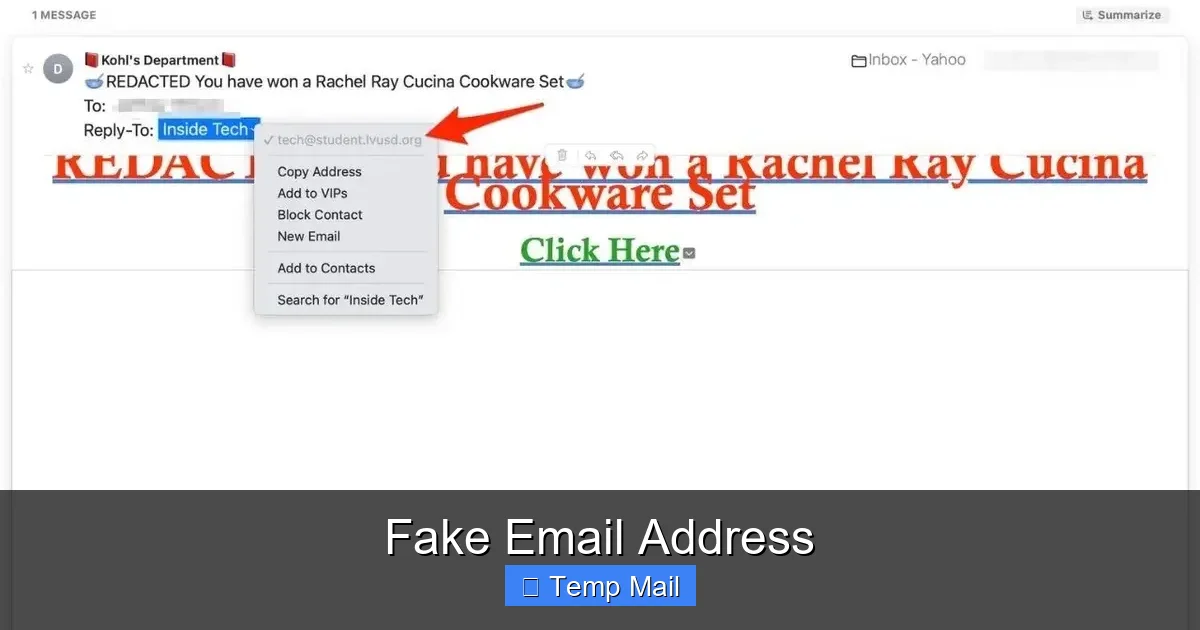
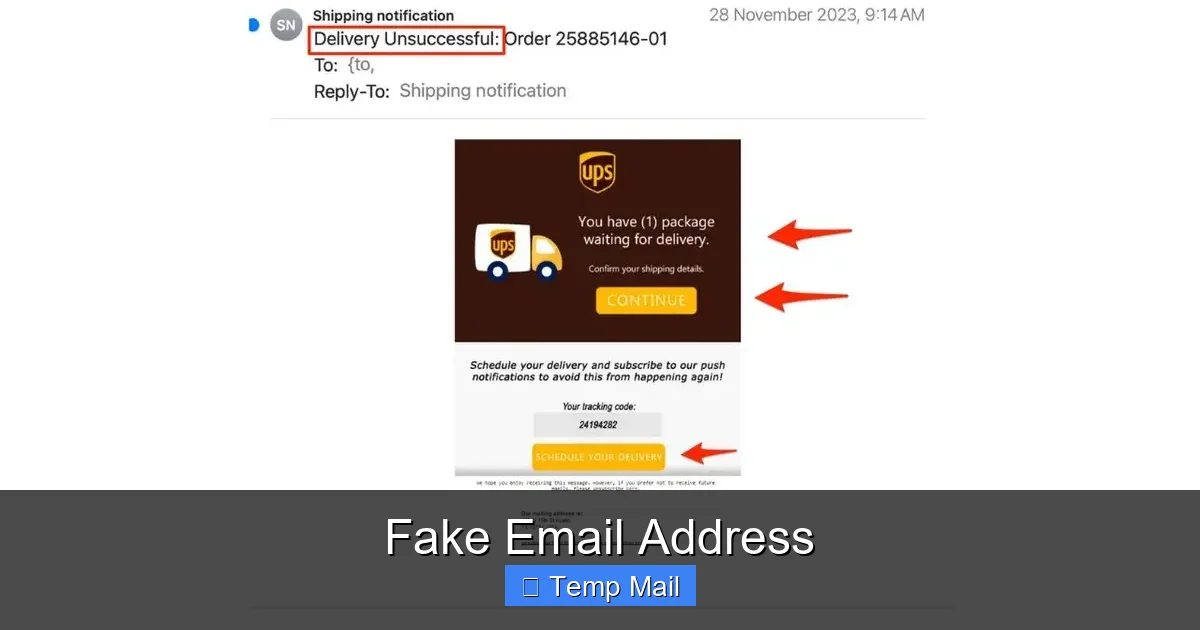
Visual guide about Fake Email Address
Image source: a57.foxnews.com
Limitation 1: No Account Recovery or Long-Term Access
This is the most important rule. Never use a disposable email for any account you need to keep. If you use it to sign up for a social media profile, online bank, or subscription service, you will be locked out forever the moment the inbox expires. Password reset links, security codes, and important notifications will vanish. You will lose access to the account permanently. Temp mail is for one-off interactions, not for building persistent digital assets.
Limitation 2: Inherent Insecurity
Because the inbox is publicly accessible via a simple URL (often just the email address itself), there is zero privacy *within* the disposable inbox. Anyone who guesses or stumbles upon the URL can see the emails you receive. There is no password, no two-factor authentication, and no encryption on the service’s end for the free tier. Therefore, you should never receive sensitive information like passwords, financial statements, or private documents to a temp address.
Risk: Facilitating Malicious Activity
Unfortunately, the anonymity provided by fake emails is a double-edged sword. Cybercriminals frequently use them to:
- Create fraudulent accounts on platforms for spam, scams, or abuse.
- Bypank account creation limits on websites.
- Register for services with false identities to hide their tracks.
- Receive verification codes for activities like phishing or creating fake identities.
Because of this, many legitimate websites and platforms (like Google, Facebook, major banks) actively block known disposable email domains from being used during sign-up. They maintain and update lists of these domains to protect their ecosystems.
Common and Legitimate Use Cases
Despite the risks, for average users, the legitimate, pro-privacy uses far outweigh the potential for abuse. Here are the most common scenarios where a temp mail shines.
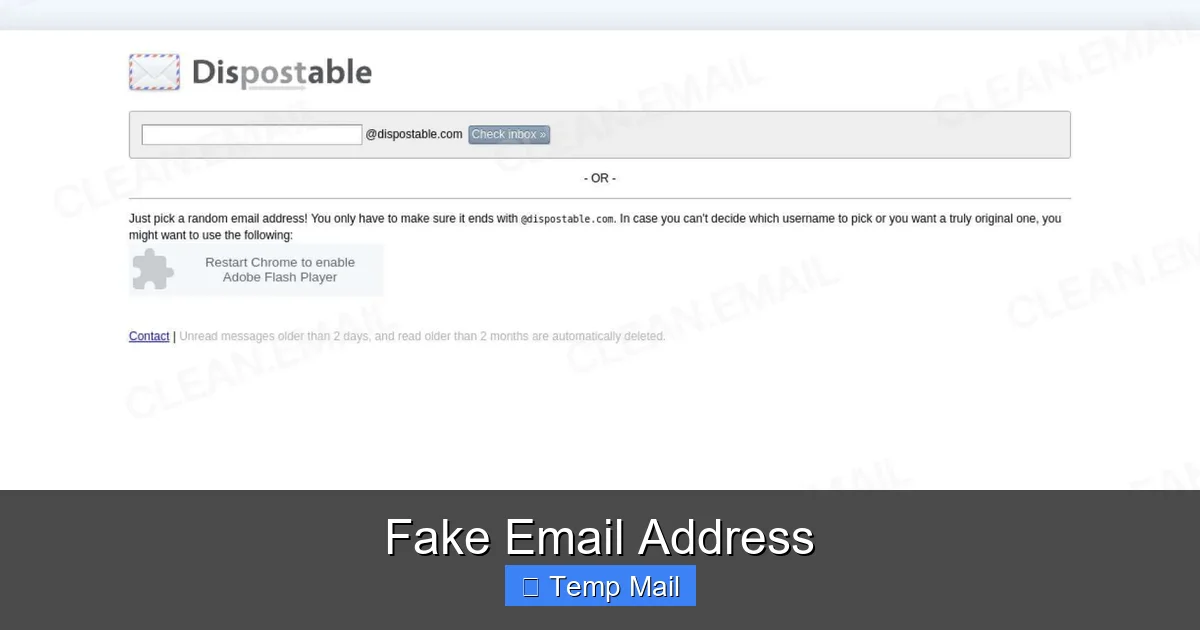
Visual guide about Fake Email Address
Image source: clean.email
Use Case 1: Testing Website and App Email Flows
For developers, QA testers, and marketers, disposable emails are indispensable. Need to test if a “welcome email” triggers correctly? Want to see the format of a password reset link without cluttering your real inbox? A temp mail address allows you to receive and inspect these transactional emails in a clean, controlled environment that you can discard after the test is complete.
Use Case 2: One-Time Downloads and Coupon Hunting
You find a fantastic e-book, software trial, or discount coupon that requires an email. You have no intention of joining the company’s newsletter long-term. Use a temp address, get the download link or code instantly, and move on. The company gets their “lead,” and you get your resource without future spam. It’s a fair, low-commitment exchange.
Use Case 3: Protecting Your Identity on New or Dubious Platforms
You want to try a new social network, forum, or gaming platform but have read mixed reviews about their data privacy policy. Using your primary email feels like a leap of faith. A disposable address lets you create an account, explore the platform, and decide if it’s worth your real identity—all without risk. If the platform turns out to spammy or shady, you simply abandon the temp address.
Use Case 4: Avoiding Data Brokers and Cross-Site Tracking
Every email you provide is a data point. Companies use it to link your activity across different sites they own or partner with. By using a unique, disposable address for each new site, you fragment your digital profile. It becomes much harder for data brokers to create a cohesive, valuable profile of “you” to sell to advertisers. It’s a small but effective act of data sovereignty.
Best Practices for Safe and Effective Use
To get the most out of temp mail while minimizing risk, follow these practical guidelines.
1. Choose a Reputable Service
Not all temp mail providers are created equal. Stick to well-known, established services like Temp-Mail.org, 10MinuteMail.com, or Guerrilla Mail. These services are more likely to have reliable uptime, reasonable expiration times, and clear privacy policies. Avoid obscure sites that might log your IP or inject malware.
2. Never Use for Critical Accounts
Repeating for emphasis: Do not use a disposable email for:
- Online banking or financial services.
- Primary email accounts (Gmail, Outlook, etc.).
- Social media profiles you want to keep.
- Government or official services.
- Any service where you need to recover a password or receive legal notices.
For these, use a dedicated, secure, primary email address with a strong, unique password and two-factor authentication enabled.
3. Understand the Specific Service’s Rules
Some temp mail services allow you to choose your own username or extend the inbox time. Others are strictly 10 minutes and random. Some offer browser extensions. Know what your chosen provider offers before you rely on it for a time-sensitive task like receiving a login code.
4. Use It and Forget It
The philosophy of disposable email is “use and forget.” Once you’ve received the email you needed (the download link, the confirmation code), close the tab. Don’t keep the browser window open for days hoping for more mail. The value is in its impermanence. If you need ongoing communication from a sender, it’s a sign you should use your real email or create a dedicated secondary account.
The Future of Disposable Email and Privacy
The cat-and-mouse game between privacy tools and data collectors is ongoing. As more users adopt disposable emails to reclaim privacy, platforms will likely develop more sophisticated detection methods. We may see:
- Stricter blocking: More services will integrate advanced, constantly updated blocklists for disposable domains.
- Behavioral analysis: Systems might flag sign-ups from IP addresses known for high temp mail usage.
- Alternative verification: A rise in alternative verification methods like phone-based 2FA or biometric checks to supplement email.
Conversely, the demand for privacy is also growing. We may see more sophisticated, privacy-focused email services that offer better temporary inbox features, or even mainstream providers incorporating “alias” features (like Apple’s Hide My Email) that create unique, forwardable addresses tied to your main account but can be disabled at will. The fundamental tension—between the business need for verifiable user data and the user’s right to privacy—will continue to drive innovation on both sides.
Conclusion: A Powerful Tool in Your Privacy Toolkit
A fake email address, or temporary email, is not about deception; it’s about defense. It’s a simple, no-fuss tool that puts control back in your hands. In a digital world where your email address is a gateway to your attention, your data, and your wallet, having a way to say “no” to unwanted long-term relationships is empowering.
Use disposable emails wisely: for exploration, for access, for testing, and for keeping your primary inbox sacred. Respect their limitations—they are fragile by design. By understanding what a temp mail service is, what it can do, and what it cannot, you can significantly reduce spam, limit data collection, and navigate the web with greater confidence and anonymity. It’s a small step that leads to a much cleaner, more private digital life.
Frequently Asked Questions
Is using a fake email address illegal?
No, using a disposable email service is perfectly legal. The legality depends on how you use it. Using it to protect your privacy from spam is acceptable. Using it to commit fraud, create fake identities for malicious purposes, or bypass legal agreements is illegal.
Can websites detect a disposable email address?
Yes, most can. Reputable websites and platforms use databases and APIs that list known disposable email domains (like mailinator.com, temp-mail.org). When you attempt to sign up with an address from one of these domains, the site will often reject it with a message like “Please use a real email address.”
Are temporary emails safe to use?
They are safe for their intended purpose: receiving non-sensitive, one-time emails. However, they are inherently insecure for private communication because the inbox is publicly accessible via a URL. Never use them for password resets, financial transactions, or any communication containing personal, sensitive data.
How long does a fake email last?
It varies by service. Common expiration times are 10 minutes, 1 hour, or 1 day. Some services let you extend the time manually. The email address itself is usually permanently deleted from the service’s system after expiration, making it unrecoverable.
What’s the difference between a fake email and a secondary/alias email?
A secondary email is a permanent, standalone account you own (like a second Gmail address). An alias is a forwarding address created within your main email service (like Gmail’s “plus addressing” or Apple’s Hide My Email). Both are secure and long-term. A fake/temp email is a temporary, public inbox with no login credentials that self-destructs.
Should I use a disposable email for online shopping?
It depends. For a one-time purchase from a retailer you don’t plan to shop with again, a temp email can work to avoid marketing spam. However, for any store you want to receive order confirmations, shipping updates, or receipts from, you must use a permanent, accessible email address. You will not receive these critical notifications if the temp inbox expires.